






It is a medical procedure for type 1 diabetes to eliminate the need for insulin injections.
Pancreatic transplants are common in type 1 diabetes patients who also need kidney transplantation due to kidney failure.
Pancreas transplant surgery replaces non-functioning pancreas with healthy one from deceased donor.
The first successful pancreas transplant was performed by Drs. Richard Lillehei and William Kelly in 1966.
When performing pancreas transplants, consider if venous drainage should go into systemic circulation or portal vein.
Types of Pancreas Transplantation
Simultaneous Pancreas-Kidney
Pancreas-After-Kidney Transplant
Pancreas Transplant Alone
Surgical Equipment
Anesthesia Equipment
Surgical Drapes and Sterile Supplies
Surgical Microscopes
Perfusion Pump
Monitoring Equipment
Informed Consent:
Educate patients and their family on procedure, risks, benefits, and post-transplant regimen importance.
The patient is positioned in a supine position and general anesthesia is administered.
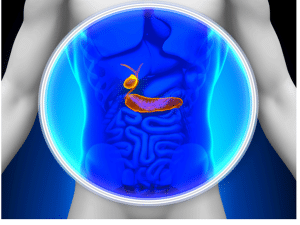
Anatomy of Pancreas
Step 1: Incision and Exposure
Surgeons give a midline abdominal incision from xiphoid process to pubic symphysis accesses abdominal cavity.
Abdominal cavities are examined to locate blood vessels before organ implantation.
Step 2: Donor Pancreas Preparation
Donor pancreas is carefully prepared with duodenum and spleen, then preserved in cold solution to minimize injury.
Step 3: Vascular Anastomosis:
Prepare iliac vessels or superior mesenteric artery and portal vein for anastomosis.
Connect donor’s superior mesenteric artery and splenic artery to recipient’s iliac artery with end-to-side anastomosis.
Step 4: Exocrine Drainage:
Donor duodenum connected to recipient’s small intestine in end-to-side anastomosis, it is common method which allows pancreatic enzymes to drain in intestine.
Step 5: Reperfusion and Closure
Clamps are removed to restore blood flow in pancreas, monitor for bleeding and ensure perfusion.
Abdominal incision closed in layers with sutures.
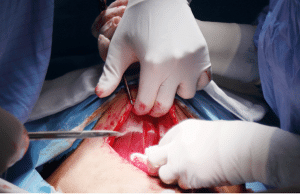
Pancreas transplantation
Surgical Complications as follows:
Pancreatic Fistula
Bleeding
Thrombosis
Stenosis
Vascular Complications as follows:
Hemorrhage
Late Complications as follows:
Cardiovascular Disease
Renal Dysfunction
Malignancies
Chronic Rejection
LEARNING & CME
View All
Advanced
Cardiovascular
Life Support
Basic Life
Support
Pediatric
Advanced Life
Support

Neonatal
Resuscitation
Program

Annual Stroke
Center
Continuing
Education

Opioid and Pain
Management

National
Institutes of
Health Stroke
Scale

Basics of
Electrocardiography