






Malignant Hyperthermia (MH) is a severe, genetically predisposed, condition which occurs after exposure to certain general anaesthetic and neuromuscular relaxant, primarily halogenated volatile agents (halothane, sevoflurane) and depolarising muscle relaxant-succinylcholine.
MH is typically an autosomal dominant trait and associated with mutations in the gene encoding for the ryanodine receptor (RYR1), which controls the release of calcium from the sarcoplasmic reticulum in skeletal muscles. This ultimately results into free calcium release, elevated muscle metabolism and continuous muscle contraction. Exposure to certain anaesthetic agents causes a series of subsequent events leading to increased calcium levels accompanied by increased metabolic rates evidenced by muscle rigidity, hyperthermia, and metabolic acidosis.
- Dantrolene
- Arterial Blood Gas Kit
- Intravenous Fluids and Electrolytes
- Cooling devices
Preoperative Assessment: Ask directly if there has been a previous or family history of malignant hyperthermia (MH). Finally, discuss any prior complications that occurred in anaesthesia and if there is necessity speak with a geneticist.
Anaesthesia Planning: Do not use compounds causing a movement of ion, such as halothane, sevoflurane and succinylcholine. Non-triggering alternatives which should be used include propofol and non-depolarizing neuromuscular blockers.
Dantrolene Preparation: Make sure that dantrolene is easily retrievable in the operating room in case of malignant hyperthermia crisis. Check the dose and the proper conditions of storage of the medication prescribed.
Team Readiness: Educate the whole surgical team about risk of MH and the steps to be taken in response. Discuss with all the team members the MH emergency protocol.
Monitoring and Equipment: Adopt the use of hi-tech health signs and symptoms indicator such as body temperature, pulse rates, carbon dioxide levels. Make the necessary preparations of some coolants that will act as emergency coolants such as ice packs and cooling blankets.
Intraoperative Measures: Perform non triggering anaesthetics and special attention should be taken in doing so to avoid causing MH. If MH occurs, make sure to cease the agents that could have provoked it, give dantrolene, and begin cooling.
Postoperative Care: Supervise the patient in the recovery area to check whether he/ she develops delayed MH or other related complications. Take copious notes of the episode and organize the next course of action.
Standard Positioning: The positioning of the patient depends on the type of surgery to be conducted (e. g., the patient can be in supine, prone or lateral position).
Positioning During an MH Crisis:
- Supine Position: It is important to note that if an MH crisis happens, the patient should be kept in the supine position most of the time. This enables one to assess the condition of the airway, administration of the intravenous lines, and the monitoring devices.
- Head Elevation: A slight elevation of the head can assist with respiratory care and possibly prevent aspiration if vomiting occurs.
Step 1-Early Recognition: Some of the symptoms which indicate development of MH are tachycardia, rise in end-tidal CO2 pressure, muscle rigidity, rise in body temperature, metabolic acidosis, and passing of dark urine due to myoglobinuria. If MH is suspected, immediately look out for these other symptoms such as high potassium levels and raised serum creatine kinase (CK).
Step 2-Immediate Action: Any drug that may provoke MH, for example, volatile anaesthetics (sevoflurane, desflurane, isoflurane) and succinylcholine, should be ceased at the first sign / suspicion of MH. Notify the surgical team and request assistance from other personnel such as the anaesthesia crisis cart team if available.
Step 3-Administer Dantrolene:
Initial Dose: The first dose of dantrolene should involve 2 mg/kg of the patient’s average body weight. The loading dose of sodium bicarbonate as earlier as possible should be 5 mEq/kg intravenously.
Repeat Doses: Dantrolene should be prepared in advance with 1 mg/kg increment every 5 min to terminate the symptoms. The total dose that is usually adopted can be up to 10 mg per kilogram of the patient’s weight.
Step 4-Hyperventilation and Oxygenation: Ensure adequate levels of fresh air to clear out stored anesthetic gases together with closely monitoring the levels of CO2. Employ one hundred percent oxygen at high flow velocities. Make sure that the patient is well oxygenated throughout the entire crisis to avoid the development of hypoxia.
Step 5-Cooling Measures:
Apply External Cooling: Start the external cooling procedures with external blankets, ice packs or through cold infusions to reduce the overall temperature of the patient.
Monitor Core Temperature: Managing should be directed towards regaining a body temperature that is below 38°C (100. 4°F) to avoid the dangers of hyperthermia.
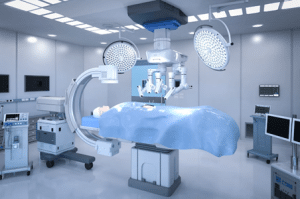
Malignant Hyperthermia in the Operating Room
Step 6-Manage Acidosis and Electrolyte Imbalances: Give sodium bicarbonate at 1-2 mEq/kg to counteract metabolic acidosis base on the arterial blood gas findings. Monitor blood electrolyte levels and potassium, calcium, sodium levels in particular; treat hormonal disturbance if found.
Step 7-Monitor and Manage Complications: Maintain vigilance regarding patient’s ECG for signs of arrhythmias and manage when necessary for example by use of anti-arrhythmic medications. Examine the urine frequently, and if myoglobinuria is suspected, it is useful to utilise Mannitol or Furosemide to protect the kidneys.
In regard to MH, patient education should focus on identification of personal or family history and referral to genetic testing when warranted. Select intraoperative agents that do not trigger malignant hyperthermia episodes and ensure that dantrolene is available. Ensure that the OR is equipped with mandatory surveillance and cooling facilities and ensure that the staff receives periodic updates and training about MH crisis recognition and response. Perioperative period is high risk for MH development, so one should be on the lookout for early warning signs and ensuring that there is effective communication between team members. If a crisis occurs stop giving triggering agents at once, give dantrolene, start cooling process and treat complications. After the crisis, continue to observe the patient in the ICU, maintain detailed records and ensure the patient receives any necessary information about their future care.
- Hyperthermia
- Cardiac arrhythmias
- Rhabdomyolysis
- Acidosis
- Coma
- Electrolyte imbalances
LEARNING & CME
View All
Advanced
Cardiovascular
Life Support
Basic Life
Support

Pediatric
Advanced Life
Support

Neonatal
Resuscitation
Program

Annual Stroke
Center
Continuing
Education

Opioid and Pain
Management

National
Institutes of
Health Stroke
Scale

Basics of
Electrocardiography