






Lung transplant is treatment for advanced lung disease. Lung transplants save patients with end-stage lung disease unresponsive to alternative treatments.
Lung transplantation improves the quality of life for patients with end-stage respiratory failure that does not respond to treatment. Dr. James Hardy performed first human lung transplant in 1963.
Types of Lung Transplants as follows:
Single-Lung Transplant
Double-Lung Transplant
Living donors provide lower lobes for bilateral implantation in transplantation.
Criteria for donor lungs include:
Donor age between 18 to 55 years old
No history of smoking or minimal smoking history
No significant lung disease/infection
Blood type compatibility with the recipient
Surgical Instruments:
Chest Tubes and Drainage Systems
Anastomosis Equipment
Anesthesia Equipment
Monitoring Equipment
Cardiopulmonary Bypass and ECMO Equipment
Informed Consent:
Educate patients and their family on procedure, risks, benefits, and post-transplant regimen importance.
Patient Positioning:
Patients receive general anesthesia, intubation, and mechanical ventilation during surgery.
Patient positioned on side for single-lung transplant or back with arms extended for double-lung transplant.
Donor Lung Harvesting:
Donor lungs are removed and preserved before being transported to the transplant center for surgery.
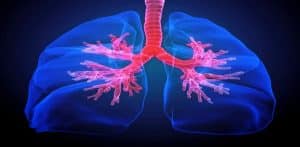
Anatomy of lung
For Single-Lung Transplantation:
Step 1: Excision of Diseased Lung
Incision made on chest side between ribs for thoracotomy.
Recipient’s diseased lung removed with careful dissection, clamps, and vessels cuts.
Step 2: Implantation of Donor Lung
The donor lung is placed in the chest cavity and connected through surgical connections as:
The donor pulmonary artery connected to recipient, then donor pulmonary veins connected to recipient left atrium, and finally donor bronchus connected to recipients.
Step 3: Reperfusion
The transplanted lung receives blood flow and ventilation. Sutures or staples are used to close the chest, with chest tubes inserted for drainage.
For Double-Lung Transplantation:
Step 1: Excision of Diseased Lung
Surgical incisions were made to access both lungs during medical procedures.
Recipient undergoes bilateral lung removal surgery, with clamps and cutting of blood vessels.
Step 2: Implantation of Donor Lung
Donor lungs implanted sequentially with same anastomoses as single-lung transplantation.
Step 3: Reperfusion
The transplanted lung receives blood flow and ventilation. Sutures or staples are used to close the chest, with chest tubes inserted for drainage.
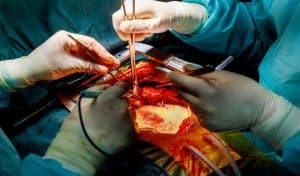
Lung transplantation
Early Complications as follows:
Infection
Primary Graft Dysfunction
Acute and Hyperacute Rejection
Late Complications as follows:
Malignancies
Cardiovascular Disease
Renal Dysfunction
Chronic Rejection
LEARNING & CME
View All
Advanced
Cardiovascular
Life Support
Basic Life
Support
Pediatric
Advanced Life
Support

Neonatal
Resuscitation
Program

Annual Stroke
Center
Continuing
Education

Opioid and Pain
Management

National
Institutes of
Health Stroke
Scale

Basics of
Electrocardiography