






Loop electrosurgical excision procedure is a surgical process used to diagnose and treat cervical abnormal cells which are in the cervix, a lower uterus part which joins with the vagina.
LEEP is usually done when a woman has abnormally increased exposure; this is due to cervical dysplasia, a precancerous condition detected using a pap test and a colposcopy examination. The biopsied tissue sample is obtained using a thin wire loop to carry an electrical current during LEEP. The tissue is then taken to the laboratories for examination to check whether it is cancerous or precancerous.
Loop electrode
Return electrode (dispersive pad)
Colposcope
Smoke evacuator
Electrosurgical generator
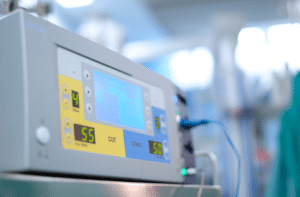
Electrosurgical generator
Schedule your procedure: It is preferable to plan the LEEP procedure during a period that is not considered by the woman’s menstrual cycle.
Medications: When consulting with your doctor, make sure that you disclose all the medications that you are using, whether they are prescribed, available over the counter, or from local pharmacy or health food shops. You may be asked to avoid taking some of the drugs like blood thinner drugs such as aspirin or others such as ibuprofen 3 to 7 days before the procedure.
Dietary restrictions: There are usually no prior dietary requirements for LEEP, but a patient may be asked to avoid eating or drinking before the procedure. It is not necessary to fast on the day of the procedure you can eat and drink as desired.
Douching, intercourse, and vaginal medications: Avoid using tampons, douching, and having vaginal creams inserted, and sexual intercourse for 24 hours prior to LEEP examination.
Step 1: Preparation:

Pre cervical examination
Consultation: You and your doctor will do a pre-operation conversation to explore probability and likelihoods of dangers and advantages, as well as recovery time.
Positioning: In most cases you will be required to come for surgery in the dorsal lithotomy position, this requires that you lie on your back on an examination table with your legs raised and spread apart.
Anesthesia: If you are having a cervical biopsy, the cervix will be numbed using a local anesthesia, in most of the cases.
Step 2: Procedure:
Positioning: In this Dorsal lithotomy position is preferred where you will be laying on an examination table.
Speculum Placement: A speculum is used to open the vagina and see the cervix better, The doctor places a speculum into the vagina.
Cervical Numbing: To make the cervix numb, an anesthetic agent is used on the cervix.
Colposcopy: The doctor will then look at the cervix using an enlarged lens known as colposcope to point out the area of the abnormal cells.
LEEP Loop Insertion: A small, thin wire is introduced through the speculum and placed around the cervical tissue.
Electrical Current Application: Radio frequency electrical current is applied through the wire loop, thus making the wire loop precisely hot and burning the tissues and removing the targeted part. The electrical current also cauterizes the blood vessels in the area to reduce chances of bleeding.
Tissue Removal: The tissue that is excised is taken to the pathology laboratory for staining and further examination under the microscope.
Endocervical Curettage (Optional): In some situations, the doctor may prepare an endocervical curettage (ECC) in addition to LEEP treatment. This consist of using a thin tool to scrape a tissue from the opening of the cervix, known as cervical canal.
Step 3: Post Procedure
Recovery: Patients can be discharged subsequently depending on the period of observation. Recovery usually lasts for about four weeks after individuals begin taking the medication indicated for the disorder.
Potential Side Effects: As the changes in your body take effect, you may be able to experience mild pain, white discharge, and bleeding from the vagina after the surgery. These side effects are in most cases mild and are also confined to the initial stages where the patient is still adapting to the treatment.
Follow-Up: After the tissue biopsy, your doctor arrange for subsequent appointments to assess your recovery process and explain the results of the pathology.
Pap test: Pap test also referred to as cervical smear is a screening test used to identify pre-cancerous changes that may lead to cervical cancer. During a Pap test, cells of the cervix are scraped by a healthcare provider to collect samples of cells from its outer surface. After taking the cells, they are taken to the lab for examination under the compound microscope.
Bleeding: The most reported side effects for LEEP include bleeding, although it is often minor and solves itself after several days.
Infection: Infection may occur after the LEEP procedure, it is significant that after the procedure a course of antibiotics may be prescribed by your doctor to minimise the risk of infection.
Cervical stenosis: LEEP can lead to cervical damage that results in the formation of scar tissues that can reduce the width of the cervical canal (cervical stenosis). It can thus present a challenge to the sperm to reach the egg, and this may lead to issues with fertility.
Cervical insufficiency: LEEP is known to mechanically dilate the cervix and hence predisposes women to cervical incompetence. This is state where the cervix fails to remain closed during pregnancy, which can result in premature labor and birth of a premature child or stillbirth.
Positive margins: The aberrant cells might not always be eliminated with the LEEP. We refer to this as a positive margin. If this occurs, you could require a further surgery to get rid of the leftover aberrant cells.
LEARNING & CME
View All
Advanced
Cardiovascular
Life Support
Basic Life
Support

Pediatric
Advanced Life
Support

Neonatal
Resuscitation
Program

Annual Stroke
Center
Continuing
Education

Opioid and Pain
Management

National
Institutes of
Health Stroke
Scale

Basics of
Electrocardiography