






Infraorbital hollowing is a condition where the area beneath the eyes, particularly the lower eyelids, appears sunken or recessed. This can lead to a fatigued or older appearance, often resulting from a mix of factors including aging, genetic predisposition, and loss of volume in the facial tissues.
Dermal filler injection
Microneedles
Medical History: Consider their past medical history, especially allergies, medications that they are currently taking or the ones that they took in the past, and previous cosmetic procedures.
Assessment: Physical assessment and examination of the face, Pay particular attention to the infra orbital region. Determine its level of hollowing and any other issues.
Expectations: Ask the patient to express their goal and expectation form the entire process. Discuss the current possibilities to treat fillers, fat transfer, and others.
Informed Consent: Explain the details of the treatment explaining the possible complications, advantages, and aftercare. Informed consent regarding the procedure, benefits, risks involvement and possible cure.
Procedure day
Pre-procedure Photographs: Photograph the patient’s face with a Polaroid camera and keep the original picture and a copy in their records.
Marking and Numbing: Mark the treatment area and apply a topical anesthetic or local anesthesia as required to minimize discomfort.
Sterilization: Disinfect the treatment area to reduce the possibility of developing an infection while working on the treatment.
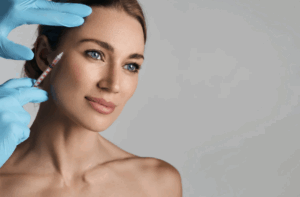
Infraorbital hollowing treatment
Step 1-Assessment and Planning:
Consultation: It starts from consultation where the patient’s expectations, past and existing health conditions, and problems are considered.
Assessment: The position of the cheek, the degree of its hollowing, the patient’s face type, and other factors are considered. This includes estimating the extent of volume deficit, skin quality, and any other characteristic that might influence the result.
Step 2-Preparation:
Preoperative Instructions: Patients are given guidelines on how to prepare for the surgery regarding some medicines and supplements that are likely to interfere with clotting.
Anesthesia: Usually, the surgery can be done using local anesthesia or under general anesthesia as advised by the surgeon.
Step 3-Surgical Technique:
Incision: The surgeon first creates a small incision below the lower eyelash line or behind the lower eyelid margin. The decision of which incision to make is therefore influenced by the technique that is to be employed as well as the planned goal.
Fat Grafting or Filler Injection: The surgeon harvests fat from another part of the patient’s body (such as the abdomen or thighs) using liposuction. The fat is then processed and injected into the infraorbital area, where the volume will be gained.
Filler Injection: In any other case, dermal fillers (for example, hyaluronic acid-based) are injected into the affected area with the hollowness. Fillers provide immediate results and are less invasive compared to fat grafting.
Volume Restoration: In the case of a hollow area, the surgeon is very careful in the process of injecting the fat or filler into the hollow area.
Step 4: Closure and Recovery:
Closure: If an external incision is made, it is sutured with fine sutures. In internal incisions, a cutaneous suture is not necessary.
Postoperative Care: Instruct the patient on how they should take care of the operated area or the measures to be taken when he experiences some complications like swelling or bruising. Although, remedies such as applying cold compress on the injured area and pain relievers may be advised for rapid healing.
Follow-Up: Follow-up appointments are arranged to observe healing and ensure the intended outcome is achieved.
Step 5-Results and Maintenance:
Results: The results are usually noticed after inflammation and any possible discoloration begins to fade away. As for fat grafting, it is possible to have an improvement in the result as the fat material gradually sets together with integrates into the surrounding area of tissues.
Maintenance: If dermal fillers were used, they may require touch-ups or reapplication every 6-12 months, depending on the type of filler and individual patient factors.
Infection: Consequently, if the process of treating the hollowing entails the utilization of injections, there is a tendency to experience an infection.
Overcorrection or Under correction: Some of the concerns in treatment may include the problems associated with the degree of correction in areas like dermal filler injections where one may make further corrections and overfill or underfill.
Bruising and Swelling: These are general side effects that people experience when they undergo injectable treatments.
Allergic Reactions: Like in any other therapy involving injection, patients are likely to develop allergic reactions to the materials used or other related substances.
LEARNING & CME
View All
Advanced
Cardiovascular
Life Support
Basic Life
Support

Pediatric
Advanced Life
Support

Neonatal
Resuscitation
Program

Annual Stroke
Center
Continuing
Education

Opioid and Pain
Management

National
Institutes of
Health Stroke
Scale

Basics of
Electrocardiography