






Hysterectomy is the common non-pregnancy-related major surgical intervention in the US which is involving the removal of the uterus, cervix, fallopian tubes, and ovaries. It address the conditions like uterine cancer and prolapse which cause excessive bleeding, and emotional distress.
Premenopausal women may experience sterility and post-surgery patients require hospitalization and a recovery period of 6-12 weeks. Potential complications include excessive bleeding, infections, and damage to nearby organs.
Step 1: Patient preparation
The patient consents after a thorough medical assessment, their medical history and preferences are considered in discussing anesthesia options. During the procedure intravenous (IV) lines are implanted to provide fluids and drugs where the patient is ready for the operation.
Step 2: Incision
An incision made in the abdominal wall which may vary depending on the specifics and the type of incision (horizontal, vertical, or laparoscopic).
Step 3: Intrautеrinе Entry
The surgeon locates and isolates the uterine arteries in the abdominal cavity by ensuring minimal bleeding during the surgery by carefully cutting and tying off the blood veins.
Step 4: Removal of Utеrinе
The surgeon separates the uterus from its surrounding tissues and ligaments then removes it through an incision.
Step 5: Closing
The surgeon use the glue, staples, and sutures to seal the wound.
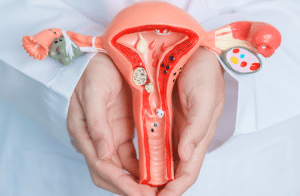
Hysterectomy
Antibiotics are administered before surgery to reduce the risk of infection in the pelvic region and at the site of surgery.
Excessive bleeding during or after surgery may necessitate additional operations to manage the bleeding.
Deep vein thrombosis and pulmonary embolism are significant health risks especially for those with risk factors. Preventing these issues can be achieved through blood thinners or special stockings.
The intestine may experience changes in movement or function especially if the operation affects the rectum or nearby tissues. Additionally, a complete hysterectomy may result in the vaginal vault falling or prolapsing into the vaginal canal by removing the cervix.
Post-opt some women may experience pelvic discomfort, sexual dysfunction, and menopausal symptoms like mood swings, hot flashes, and decreased bone density.
Sexual dysfunction may include decreased libido or uneasiness during sexual activity.
Additionally, by removing the ovaries can cause changes in bone density.
LEARNING & CME
View All
Advanced
Cardiovascular
Life Support
Basic Life
Support

Pediatric
Advanced Life
Support

Neonatal
Resuscitation
Program

Annual Stroke
Center
Continuing
Education

Opioid and Pain
Management

National
Institutes of
Health Stroke
Scale

Basics of
Electrocardiography