






External radiation decontamination implies removing or minimizing the presence of radioactive substances on the outermost surfaces, objects, or persons. This type of decontamination plays a significant role in nuclear disasters and exposure to some types of chemicals or radiation in industries, research facilities, or hospitals.
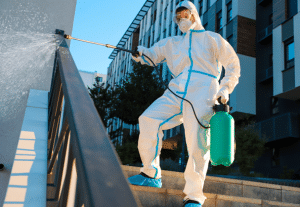
External Radiation Decontamination
External radiation decontamination is one of the significant procedures aimed at preventing and eradicating radioactive materials on the surface or objects or eliminating radioactive contamination of a person’s body. This procedure plays a central role in protecting against ionizing radiation hazards originating from nuclear accidents or other nuclear power plant emergencies, environmental contamination, or any other courier of radiological threats. The purpose of external radiation decontamination is to decrease or eradicate radioactive products in the environment further to cut down the continuing effects of radioactive products.
External radiation decontamination implies removing or minimizing the presence of radioactive substances on the outermost surfaces, objects, or persons. This type of decontamination plays a significant role in nuclear disasters and exposure to some types of chemicals or radiation in industries, research facilities, or hospitals.
External Radiation Decontamination
External radiation decontamination is one of the significant procedures aimed at preventing and eradicating radioactive materials on the surface or objects or eliminating radioactive contamination of a person’s body. This procedure plays a central role in protecting against ionizing radiation hazards originating from nuclear accidents or other nuclear power plant emergencies, environmental contamination, or any other courier of radiological threats. The purpose of external radiation decontamination is to decrease or eradicate radioactive products in the environment further to cut down the continuing effects of radioactive products.
Presence of Radioactive Contamination: Sometimes, if one or several people or objects are in contact with items or surfaces known or suspected to cause radiation, then, decontamination may be done. This can happen following nuclear plant accidents, radiation leaks or any industrial disaster.
Severe Burns or Wounds: In cases where the radiation has affected the body externally, maintaining the radiation exposure may worsen already severe open wounds.
Severe Trauma or Shock: Patients with extreme trauma or shock cannot endure external decontamination methods because of the poor health and condition that they are in.
Individual Sensitivity or Allergy: In some cases, some of them may be allergic to certain decontamination agents or materials that may be used during decontamination. This may result to such reactions or complications.
Reduced Radiation Exposure: Decontamination can also be defined as the process of minimizing concentration of radioactive materials on a surface or an object in a way that the possible hazard or risk from radioactivity to inhabitants in the environments is minimized.
Health and Safety Improvement: Providing less chance of hazards arising from radiation on the people and the environment, decontamination plays a further role of facilitating formation of a safe environment.
Restoration of Normal Operations: Decontamination makes it possible for the specific area or the facility contaminated to be made safe for continuous use, as various activities can resume after the elimination of the radioactive contamination.
Environmental Protection: Decontamination entails minimizing on radioactive pollution hence helps in preserving the environment from radiation that could be harmful in polluting the soil, water, and wildlife.
- Decontamination Solutions
- Sprayers or Applicators
- Absorbent Materials
- Personal Protective Equipment
- Face shields
- Gloves
- Goggles
Initial Assessment: Assess the patient to identify any external radioactive contamination on the patient’s skin or clothes.
Removal of Contaminated Clothing: Infected clothes should be removed and should be placed in sealed plastic bag that has been identified for radioactive waste collection.
Skin Decontamination: Wash the patient’s skin with soap and water or mild detergent without rinsing. After washing, to blot off the skin, one can make use of disposable towels or gauze.
Rinse and Repeat: It should be noted that all soap or detergent should be washed away with water, and any affected areas should be rinsed with water. If required wash the garment again with similar settings.
Step 1-Remove all the clothing of a patient
Step 2-The irrigation for the whole body is done
Step-1-Thorough physical examination by use of a device that detects radiation.
Step 2- The second action is to remove all the affected items of clothing as soon as is possible. In the case of contamination, take a pair of scissors to sever clothes that could continue spreading the contaminants.
Step 3- Slightly wash the affected skin with mild soap and water to ensure it is adequately cleaned.
Step 4- If the eyes encounter the contaminants, one should use an eyewash or running water to rinse the eyes for not less than 15 minutes. Hold the eyelids open to ensure thorough rinsing.
Step 5- If any of these body parts, Mouth or nose has been contaminated, wash with clean water or saline solution. Avoid swallowing the rinse water.
Step 6- Rince the affected ear with clean and lukewarm water to rinse the wax unwantedly. This also aids in washing off any foreign bodies.
Step-7- If the hair has been contaminated, rinse it with water and mix it with soap.
Radiation Survey Meters:
Some samples may be carried out in the laboratory includes calibration and checking of the radiation survey meters and dosimeters for efficiency in relating the exposed surfaces or any material to the amount of radiation to be detected.
Gamma Spectroscopy:
This method involves taking samples and using gamma detectors and gamma-ray spectrometers to count the samples to determine the amount of specific radionuclides present in the sample. It provides information about the type and intensity of radiation emitted.
Liquid Scintillation Counting:
This method is used for liquid samples to determine the low concentration of radioactivity by flux measurements of the processes of the interaction of the sample with the scintillation solution.
Complications
Health Risks to Personnel: Those people involved in the decontamination process are likely to be exposed to radiation. However, if adequately protected and following all the necessary precautions, then they are not at a risk of developing numerous health complications.
Environmental Impact: If contaminated materials or wastewater that is used for decontamination purposes is dumped in the environment or not disposed of properly, various environmental complications arise and may be long-lasting.
LEARNING & CME
View All
Advanced
Cardiovascular
Life Support
Basic Life
Support
Pediatric
Advanced Life
Support

Neonatal
Resuscitation
Program

Annual Stroke
Center
Continuing
Education

Opioid and Pain
Management

National
Institutes of
Health Stroke
Scale

Basics of
Electrocardiography