






Eucapnic hyperventilation refers to a controlled and intentional increase in the rate and depth of breathing while maintaining normal carbon dioxide (CO2) levels in the blood. This physiological phenomenon is often utilized in medical testing and research to assess various aspects of respiratory and cardiovascular function.
One primary application of eucapnic hyperventilation is in the field of respiratory physiology testing, specifically during the evaluation of exercise-induced bronchoconstriction. During such tests, individuals are asked to breathe rapidly and deeply to provoke airway narrowing, simulating the conditions that may trigger symptoms in individuals with asthma.
In research settings, eucapnic hyperventilation is employed to study the effects of increased ventilation on respiratory and cardiovascular parameters. The controlled nature of this hyperventilation allows researchers to observe physiological responses without the confounding factor of changes in blood CO2 levels, which would occur in uncontrolled hyperventilation.
Moreover, eucapnic hyperventilation has been utilized in studies related to the assessment of cerebrovascular function. By inducing controlled hyperventilation, researchers can investigate the impact on cerebral blood flow and vascular reactivity, offering insights into the complex interplay between respiratory and cerebral circulatory systems.
While eucapnic hyperventilation is primarily a tool for research and clinical testing, it is also relevant in understanding certain physiological responses, such as the respiratory alkalosis that occurs due to the elimination of CO2 during hyperventilation. The balance between oxygen and CO2 levels is critical for maintaining acid-base equilibrium, and alterations in this balance can have systemic effects.
- Informed Consent: Obtain informed consent from patient, explaining the purpose, procedure, potential sensations, and any associated risks or discomfort. Ensure the patient understands the instructions for controlled hyperventilation.
- Medical History and Screening: Conduct a thorough medical history review, including cardiovascular and respiratory health, to identify any contraindications or factors that may affect the patient’s ability to tolerate eucapnic hyperventilation.
- Explanation and Education: Provide a clear explanation of the procedure, emphasizing the importance of following instructions for controlled breathing. Educate the patient on what to expect during eucapnic hyperventilation, including sensations and potential discomfort.
- Patient Comfort: Ensure the patient is in a comfortable position and address any concerns or anxieties they may have about the procedure. A relaxed and cooperative patient is essential for the success of controlled hyperventilation.
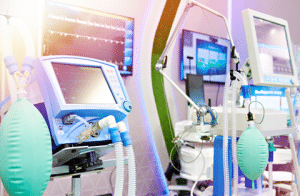
- Ventilation Monitoring Equipment: Ensure the availability and proper functioning of equipment to monitor the patient’s respiratory parameters, including respiratory rate and end-tidal CO2 levels. Continuous monitoring is crucial to maintaining eucapnia.
- Pulse Oximetry: Use pulse oximetry to monitor oxygen saturation levels throughout the procedure. This provides real-time information on the patient’s oxygenation status and helps ensure patient safety.
- Blood Pressure Monitoring: Continuous blood pressure monitoring equipment should be in place to assess any hemodynamic changes during eucapnic hyperventilation. This is particularly important for patients with cardiovascular concerns.
- Rescue Medications: Have appropriate medications and equipment on hand for potential complications, such as bronchoconstriction or anxiety. Beta-agonists or other bronchodilators may be necessary for individuals with known respiratory conditions.
- Communication Equipment: Ensure effective communication between the patient and healthcare providers. A call bell or intercom system allows the patient to communicate any discomfort or concerns during the procedure.
- Emergency Cart: Have an emergency cart readily available, stocked with medications and equipment for addressing potential complications. This includes items such as bronchodilators, anti-anxiety medications, and equipment for airway management.
- Patient Preparation: Begin by emphasizing the importance of cooperation and controlled breathing. Obtain informed consent and address any questions or concerns. Ensure the patient is in a comfortable position and ready to follow instructions.
- Baseline Assessment: Record baseline vital signs, including heart rate, blood pressure, respiratory rate, & oxygen saturation. Assess the patient’s respiratory and cardiovascular status to identify any pre-existing conditions that may impact the procedure.
- Equipment Setup: Ensure that monitoring equipment, including devices for measuring respiratory rate and end-tidal CO2, pulse oximetry, and blood pressure monitoring, is properly set up and calibrated. Confirm the availability of an emergency cart stocked with necessary medications and equipment.
- Educate the Patient: Educate the patient on the breathing pattern they will follow during the procedure. Instruct them to take rapid and deep breaths while maintaining a consistent rate. Emphasize the need to avoid breath-holding and to communicate any discomfort.
- Initiate Controlled Hyperventilation: Instruct the patient to start controlled hyperventilation by breathing rapidly and deeply. Specify the target respiratory rate and depth, ensuring that the patient maintains eucapnia (normal CO2 levels). Monitor the patient’s compliance with the prescribed breathing pattern.
- Continuous Monitoring: Continuously monitor respiratory parameters, oxygen saturation, and blood pressure throughout the hyperventilation period. Use real-time feedback to adjust the patient’s breathing if necessary. Promptly address any signs of distress or deviations from baseline.
- Duration of Hyperventilation: The duration of eucapnic hyperventilation varies depending on the procedure. It may last for several minutes, during which the patient consistently follows the prescribed breathing pattern.
- Response Evaluation: Evaluate the patient’s physiological responses during and after eucapnic hyperventilation. Assess changes in respiratory rate, heart rate, blood pressure, and oxygen saturation. Note any symptoms or sensations reported by the patient.
- Post-Hyperventilation Recovery: After completing the hyperventilation phase, instruct the patient to resume normal breathing. Continue monitoring vital signs during the recovery period. Address any lingering effects or discomfort, and ensure the patient is stable before concluding the procedure.
- Documentation: Document the entire procedure, including baseline and post-procedure vital signs, the patient’s responses, and any interventions provided. Accurate documentation is essential for interpreting the results and ensuring a comprehensive record of the patient’s experience.
- Patient Education and Follow-Up: Provide post-procedure education to the patient, explaining any expected sensations and the purpose of the test. Address any questions or concerns. Consider scheduling follow-up assessments if necessary.
LEARNING & CME
View All
Advanced
Cardiovascular
Life Support
Basic Life
Support

Pediatric
Advanced Life
Support

Neonatal
Resuscitation
Program

Annual Stroke
Center
Continuing
Education

Opioid and Pain
Management

National
Institutes of
Health Stroke
Scale

Basics of
Electrocardiography