






Cystoprostatectomy is a procedure that combines cystectomy (removal of the bladder) and prostatectomy (removal of the prostate gland). This procedure is often done to remove or reconstruct the bladder wall in case of bladder cancer or for other reasons such as excessive BPH or repeated bladder infections.
The history of cystoprostatectomy can be traced back to the early years of the last century when advanced bladder cancer was initially treated with this surgery.
The progressive effect of changes in the practice of surgery, anesthesia, and perioperative care have improved the safety and efficacy of cystoprostatectomy.
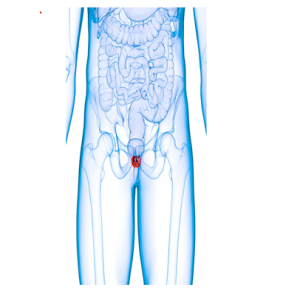
Cystoprostatectomy
Cystoprostatectomy is a procedure that combines cystectomy (removal of the bladder) and prostatectomy (removal of the prostate gland). This procedure is often done to remove or reconstruct the bladder wall in case of bladder cancer or for other reasons such as excessive BPH or repeated bladder infections.
The history of cystoprostatectomy can be traced back to the early years of the last century when advanced bladder cancer was initially treated with this surgery.
The progressive effect of changes in the practice of surgery, anesthesia, and perioperative care have improved the safety and efficacy of cystoprostatectomy.
Cystoprostatectomy
Bladder Cancer: Cystoprostatectomy is usually done in the cases of invasive bladder cancer, specifically involving the muscular walls of the bladder. It may also be recommended as an adjuvant for primary or metastatic non-muscle-invasive bladder cancer that is high grade or has recurred despite other treatments.
Prostate Cancer: Cystoprostatectomy may sometimes be used to treat prostate cancer or, in some cases, locally advanced prostate cancer that cannot be resected.
Benign Prostatic Hyperplasia (BPH): In severe cases of BPH that do not respond to medication or less invasive therapies and are producing major problems with the urine, a cystoprostatectomy may be necessary in such case.
Recurrent Bladder Infections: Cystoprostatectomy is also applied to patients who have recurrent or chronic bladder infections that common operations cannot control. It can help the patient remove the origin of those infections.
Bladder Dysfunction: Cystoprostatectomy may be suggested for patients with severe bladder dysfunction, including neurogenic bladder or interstitial cystitis, as it can have a beneficial impact on urinary symptoms and life quality.
Poor General Health: This procedure is not recommended in patients with poor health and general well-being as they risk developing complications. Such persons are those with diseases of the heart, lungs, or any other severe condition that affects the body.
Advanced Age: Since it is possible for patients of rather an advanced age to undergo the procedure, however, age-related changes in physiology and health may put older individuals at higher risk of problems.
Severe Obesity: Preoperative obesity can complicate the surgical outcomes of cystoprostatectomy surgeries by causing impaired wound healing, infection and complications related to anesthesia in patients who are suffering from severe obesity.
Untreated or Uncontrollable Infection: Performing the cystoprostatectomy in any patient with active infection such as urinary tract infection or in the surgical site may be contraindicated and would require that it must be done later after the infection has been cleared.
Advanced Cancer with Distant Metastases: In situations, where the cancer spreads to other organs or tissues of the body (stage IV) or if there is a suspicion of distant metastases such as bladder or prostate cancer, then cystoprostatectomy may not be suitable and other treatments for managing symptoms may be used.
Patient Preference: Some patients might probably have certain religious affiliations including religious beliefs brought up by their culture that might prevent them from receiving cystoprostatectomy even if necessary. Patients must be given other forms of therapy or palliative care in such circumstances.
- Surgical Instruments
- Electrocautery
- Sutures and Suture Material
- Bladder Drainage Equipment
- Anesthesia Equipment
- Imaging and Visualization Equipment
- Laparoscopic or Robotic Instruments (if applicable)
- Surgical Drapes and Sterile Supplies
- Cystectomy Bag (if applicable)
- Blood Pressure Cuff and Monitoring Equipment
- Preoperative Evaluation: The patient receives an operative plan that identifies whether the patient is suitable surgical candidate or not. This entails; history and examination, investigations (which may involve biochemical tests, blood picture or X-rays, CT scan, MRIs).
- Medication Review: Treatments and prescriptions will be checked, and changes will be discussed to address the chronic diseases as well as prevent any risks related to the surgery.
- Bladder Preparation: There may be advice to the patient to do a bladder irrigation or to administer the prescribed intravenous fluids to ensure that the bladder is cleared before undertaking the surgery.
- Informed Consent: In order to have the procedure, the patient must give informed permission, demonstrating that they are aware of the advantages, disadvantages, and other options available with cystoprostatectomy.
- Postoperative Planning: The patient and the caregivers should be educated on issues of what to expect postoperatively, the care required, possible side effects or predisposing factors to be anticipated, and date, time, and frequency of next appointments.
- Step 1:-Preoperative Management: Before going to the cystoprostatectomy procedure, the patient receives the standard preoperative preparation, which involves taking a detailed history and clinical examination, laboratory tests, and imaging studies. Further imaging and diagnostic studies that patients may be required to take include cystoscopy and biopsy for the confirmation of bladder cancer and staging of the disease.
- Step 2:-Position and Anesthesia: This involves the placing of the patient on a suitable position and the administration of anesthesia that allows the patient to be unconscious during the procedure and manage pain that might be incurred in the process. The patient is placed in either the supine position or the lithotomy position depending on the surgical procedure.
- Step 3:-Incision and Exposure: A midline or lower incision exposes the pelvic organs, including the urinary bladder and the prostate gland. Thus, the site and length of the initial incision can be different based on the individual’s anatomical history and characteristics, as well as the degree of the condition. The specific approach followed once an incision has been made vary depending on the type of prostate cancer: Radical retropubic prostatectomy, in this procedure, the surgeon uses a combination of sharp and blunt dissection to go through the layers of tissue to get to the bladder and prostate among other structures.
- Step 4:-Bladder Mobilization: Much care is taken with the intention of dissecting the bladder from its associated structures on the walls of the pelvis, the pelvic diaphragm and from adherent organs like the rectum and the ureters. Careful dissection is necessary in this stage to protect the vascular supply and reduce damage to surrounding structures. Dissection of lymph nodes may be necessary in bladder cancer instances to evaluate the disease’s spread.
- Step 5:-Prostate Dissection and Seminal Vesicle Dissection: As soon as the mobility of the bladder is achieved, focus is shifted to the prostate gland and seminal vesicles. The seminal vesicles are separated from the vas deferens and prostate during dissection, making it possible to remove them and the bladder together.
- Step 6:-Division of Ureters and Urethra: The ureters are observed and then mobilized off the surrounding tissues. They are then divided and ligated in a way that will avoid allowing urine spillage or back flow during the surgery. Then the urethra which transports urine from the bladder to the outside is also divided and ligated making the final step in the detachment of the bladder from the external outlets.
- Step 7:-Bladder and prostate removal: The bladder and prostate gland are carefully removed from the surrounding tissues after the ureters and urethra have been separated. This step needs any careful control of blood loss which is important in avoiding postoperative complications. The surgical team ensures removal of all tissue that is affected by the disease without failure affecting the healthy tissues surrounding it or any organ in the region.
- Step 8:-Urinary Diversion: After the bladder is removed, the surgical team establishes a new pathway for urine to exit the body. This can involve constructing a urinary diversion, such as an ileal conduit or a neobladder, tailored to the patient’s anatomy, age, and overall health. The type of urinary diversion is decided in consultation with the patient before the surgery, considering various individual factors and preferences.
- Step 9:-Closure and Reconstruction: After the bladder and prostate have been mobilized and removed, and the urinary diversion established, then surgeon closes the incision in a layered fashion with absorbable sutures or staples. Proper attention is given to the safety aspect, mainly to check the degree of hemostasis and closure of the layers of the skin to prevent postoperative complications like infection or hernia.
- Step 10:-Postoperative Complication: After performing cystoprostatectomy, the patient is taken to the recovery room to be monitored for complications associated to the surgery. In terms of medical intervention, the patient receives pain management, adequate fluid intake to the patient, and monitoring of vital signs. Patients are advised to come back for follow- up visits within 7 days, then 2 weeks post-surgery to evaluate and treat wounds and any urinary dysfunction or issues.
Bleeding: Cystoprostatectomy entails risks of blood loss during as well as after the procedure. In case of severe bleeding, blood transfusion is necessary.
Infection: This may involve an infection risk at the surgical site or in the urinary tract. This may result in some characteristics like wound infection, abscess, urinary tract infection, pelvic abscess and others.
Urinary Leak: Urinary diversion sites, such as the ileal conduit or neobladder, may leak urine following bladder removal, which might result in infection or other problems. A good surgical approach and aftercare can reduce this risk.
Urinary Incontinence: Surgical resection of bladder and prostate could lead to complications such as failure of urinary continence, principally during the initial days after surgery.
Sexual Dysfunction: Prostatectomy can is likely to affect erectile dysfunction while cystectomy may also reduce orgasm and ejaculation. Certain cases of sexual dysfunction may require patients to undertake counseling as well as a rehabilitation process.
LEARNING & CME
View All
Advanced
Cardiovascular
Life Support
Basic Life
Support

Pediatric
Advanced Life
Support

Neonatal
Resuscitation
Program

Annual Stroke
Center
Continuing
Education

Opioid and Pain
Management

National
Institutes of
Health Stroke
Scale

Basics of
Electrocardiography