






A breast lift, which is also called a breast mastopexy, is a surgical method that is used to provide the sagging and uplift of the breasts by shaping them into a more youthful one. Over time, factors such as being pregnant and breastfeeding, changes in weight, getting older, and genetics can all weaken the ligaments that support breasts, making them sag or droop.
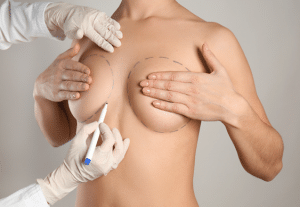
Breast mastopexy
During a mastopexy, redundant skin is removed, the breast tissue is rearranged and lifted to a more prominent position on the chest, and the nipple-areola complex is possibly repositioned. The combined result is a more youthful and proportionate chest. The cosmetic purpose of this surgery is to restore symmetry if one is degraded to a lower level than the other.
A breast lift, which is also called a breast mastopexy, is a surgical method that is used to provide the sagging and uplift of the breasts by shaping them into a more youthful one. Over time, factors such as being pregnant and breastfeeding, changes in weight, getting older, and genetics can all weaken the ligaments that support breasts, making them sag or droop.
Breast mastopexy
During a mastopexy, redundant skin is removed, the breast tissue is rearranged and lifted to a more prominent position on the chest, and the nipple-areola complex is possibly repositioned. The combined result is a more youthful and proportionate chest. The cosmetic purpose of this surgery is to restore symmetry if one is degraded to a lower level than the other.
Ptosis: The absence of normal breast form that comes about through pregnancy, breastfeeding, significant weight changes, or normal aging or occur based on the gene’s family members passed down to you is called breast ptosis. Mastopexy deals with the level of ptosis that may be as mild or as severe as is typical for a patient by positioning the breast to appear symmetry on the chest.
Loss of Breast Volume: Significant weight loss following pregnancy or breastfeeding is most certain to result in breast volume loss, manifesting in “deflated” or saggy breasts. With mastopexy surgery, the sagging breast tissue will be relocated, and the breast will look more aesthetic and youthful.
Nipple Position: If the point of nipple is downward or position below the breast crease, those can be done by a breast lift to correct it, This technique might help the nipples look more tranquil and at a suitable distance as compared to that on the breast mound.
Desire for Aesthetic Improvement: Some people might be motivated by the desire to improve the way their breasts look; they might pursue beautification and a more youthful and clearer level of contour.
Pregnancy or breastfeeding: It’s advisable, better to perform breast lift after a woman has completed motherhood and breastfeeding. Because pregnancy and breastfeeding could change the shape and size considerably, with this breast augmentation surgery the result could be compromised.
Previous breast surgery: Due to previous breast surgeries, especially if implants were included in the process, the plastic surgeon considers the potential change in suitability of a breast lift and the technique needed. The tasks surgeon must accomplish are examination of individual’s particular state of health.
- Surgical Instruments
- Electrocautery or Diathermy Equipment
- Surgical Suction Devices
- Surgical Drapes and Sterile Covers
- Marking Pens and Templates
- Anesthesia Equipment
- Surgical Lighting
- Implants (if applicable)
- Post-operative Dressings
Consultation: Make appointment with the surgeon to discuss the plans of treatment, goals, and view of priorities.
Medical Clearance: Get approval from other doctors if needed.
Risks and Benefits: Talk about potential outcomes, complications, and expectations.
Preoperative Instructions: Performing your surgery according to the plan previously established, it is essential to follow the guidelines about the diet, medication, and tests.
Patient position
In a breast lift surgery, the patient lies on their back with arms out or on arm boards, while the surgeon adjusts their position for comfort and access to the breasts.
Step 1: Consultation and Pre-operative Planning:
The patient consultation is important with a surgeon. Together, they talk about the patient’s goals and ambitions, the history of the patient’s health, and any complications the latter might have.
The surgeon assesses in detail the patient’s breast size, shape, skin condition, and location of the nipples to devise the appropriate surgical planning.

Preoperative breast examination
Step 2: Anesthesia:
The surgeon performs the procedure under general anesthesia for better patient compliance.
Step 3: Incision Placement:
The surgeon sets markings up and then makes incision on the breasts afterward. The size and arrangement of an incision vary in accordance with to the level of breast ptosis (flatness or drooping) and what result is planned.
Common incision patterns include:
Periareolar: In and around the areola.
Lollipop: Encompassing the areola and extending vertically to the breast crease.
Anchor or inverted-T: Horizontally down the breast crease, vertically down to the areola, and around the areola.
Step 4: Tissue Reshaping and Repositioning:
The surgeon elevates and reshapes the breast tissue to attain a rejuvenated and uplifted appearance. Any surplus skin is eliminated to counteract drooping and enhance firmness. In some cases, the nipple and areola may be relocated to a more visually appealing position on the breast.
Step 5: Nipple and Areola Repositioning:
To establish symmetry and proportion with the newly reshaped breasts, the surgeon modifies the position of the areola and nipple.
There are instances where the areola’s size may also decrease.
Step 6: Closing Incisions:
At this stage the surgeon shapes the breast according to the desired size and contour and fixes them in desired position. Sutures are then placed deep underneath the breast tissue to help give internal support.
Some surgeons would opt for using skin adhesives and surgical tape in addition to the suturing of incisions to enhance support of the incisions.
Step 7: Post-operative Care:
After surgery, the patient is taken to recovery area with vital signs variably checked until he’s stabilized.
The surgeon provides the rules of post-operative treatment, such as dealing with the wound, managing the pain and limitations in the level of activities.
Follow up appointments are set for evaluation of the progress and to take note of or address any concerns.
Routine Blood and Urine Tests: These are done to assess your overall health status and check if there are any underlying problem that might turn out to be dangerous for the surgery.
Chest X-ray: This produces the view inside your chest cavity with a perfect image of all your organs, including lungs and heart. It helps in identifying for any type of abnormality in those organs.
Infection: Infection remains the main risk with any operation. Surgeons will prescribe respective prophylactic antibiotics to reduce the risk, but sometimes, the infection can happen even so.
Bleeding: The complication of prolonged or heavy bleeding during or after a surgical operation is one of the most widely known. Surgeons do everything possible to avoid severe bleeding during the procedure, but sometimes the bleeding occurs.
Changes in sensation: After a breast lift, some women might notice changes in nipple or breast sensation, which can vary from reduced feeling to increased sensitivity. Typically, temporary but can become permanent occasionally.
Delayed wound healing: In a particular situation, the incisions may fail to heal in the period they should, and hence, this problem may arise.
LEARNING & CME
View All
Advanced
Cardiovascular
Life Support

Basic Life
Support

Pediatric
Advanced Life
Support

Neonatal
Resuscitation
Program

Annual Stroke
Center
Continuing
Education

Opioid and Pain
Management

National
Institutes of
Health Stroke
Scale

Basics of
Electrocardiography