






Bakri balloon placement, also known as bakri postpartum balloon, is a medical procedure designed to manage postpartum hemorrhage, a potentially life-threatening complication that can occur after childbirth. This technique involves the insertion of a specially designed balloon into the uterus to apply pressure and control bleeding.
Globally, postpartum haemorrhage is a major contributor to maternal morbidity and mortality.When traditional methods like uterine massage, medications, or surgical interventions fail to control excessive bleeding after delivery, bakri balloon placement emerges as an effective option.
Bakri Balloon: The main device consists of a soft, silicone balloon attached to a catheter. The balloon is inflated with sterile saline or water after insertion into the uterus to apply pressure and stop bleeding.
Catheter: A sterile flexible tube that serves as a conduit for inflating the balloon and guiding it into the uterus. It’s usually made of medical-grade material and comes in various sizes.
Speculum: A device used for vaginal examination to visualize the cervix and facilitate the insertion of the catheter into the uterus.
Sterile Gloves and Drapes: To maintain a sterile field during the procedure, healthcare providers use sterile gloves and sterile drapes to cover the patient.
Sterile Solution: Typically, sterile saline or sterile water is used to inflate the bakri balloon. It’s crucial to ensure that the solution used is sterile to prevent infections.
Syringe and Connector: Used to inject the sterile solution into the bakri balloon once it’s properly placed in the uterus. The connector allows for controlled inflation of the balloon.
Depending on the patient’s condition and the healthcare provider’s discretion, local anesthesia or to reduce discomfort during the treatment, conscious sedation may be used.
Advise the patient to void their intestines and bladder before to the treatment. Position the patient comfortably in the lithotomy position for easier access to the vaginal area.
After vaginal delivery
Prior to inserting the balloon, it’s crucial to confirm bladder emptiness by utilizing a Foley catheter.
Examine the uterine cavity thoroughly to verify its absence of placental fragments.
Cleanse the vagina & cervix using an antiseptic solution, like povidone iodine.
Secure a cervix using forceps ring, then carefully put a balloon in uterine cavity using ultrasound assistance.
ensuring that a balloon’s whole length goes through the cervical canal on the cervical ostium within.
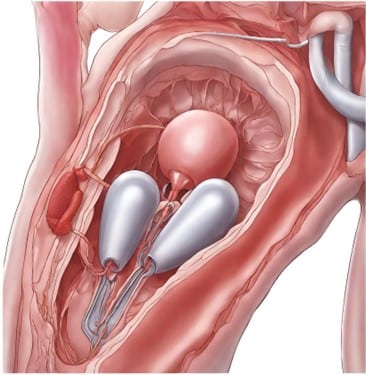
When the accurate positioning is verified, use the provided syringe to fill a balloon with saline sterile solution. It is recommended to stay within the balloon’s 500 mL highest capacity.
To enhance the effectiveness of tamponade, particularly focusing on a bottom uterine section, softly pull on the balloon shaft. To accomplish this, secure the shaft of the balloon to leg of the patient or connect this to the weight, making sure the total weight does not surpass 500 gm.
Attach the drainage outlet to the fluid collection pouch for the purpose of observing hemostasis. Consistently observe the patient for any indications of enhanced uterine cramps & bleeding.
Pass the catheter’s end through exposed incision uterine towards a cervix, guiding it in the vagina.
Take caution when closing the uterine incision to avoid harm to a balloon with a suturing needle. Inflate a balloon while directly observing the procedure.
Internal tamponade plus external compression
Intrauterine balloon catheters can be used in combination with other surgical interventions to increase effectiveness.
To possibly improve efficacy, balloon catheters intrauterine is utilized in conjunction with additional surgical procedures.
According to one study, to treat uterine atony effectively involves using a bakri balloon intrauterine in addition to a B-Lynch compression suture (uterine).
Complete Blood Count: This test measures different components of blood, including RBC, WBC, & platelets. It helps assess the severity of bleeding and provides information about the patient’s overall blood count.
Blood Chemistry Panel: This test assesses various blood components, including electrolytes, kidney function, liver function, and other metabolic markers. It helps in evaluating the patient’s overall health status and identifying any potential underlying issues.
Blood Gas Analysis: In situations where there is significant bleeding, blood gas analysis can provide information about the patient’s acid-base balance, oxygenation, and overall respiratory status.
The Tamponade Test
When the balloon has inflated and control is established, the test is deemed successful.
Individuals who test negative, that is, continue to bleed even after the balloon is inserted, should move on to more invasive treatment techniques like embolization & laparotomy.
Uterine Perforation: During insertion, there’s a risk of inadvertently perforating the uterus, which can lead to severe bleeding and injury to surrounding organs and necessitate further surgical intervention.
Infection: Any intrauterine device carries a risk of introducing infection into the uterus, potentially leading to endometritis or systemic infection if not managed properly.
Retention or Expulsion: In some cases, the balloon may fail to remain in place or may be expelled prematurely, compromising its ability to manage hemorrhage effectively.
Allergic Reaction: In rare cases, people may become allergic to the ingredients in the balloon, leading to localized or systemic symptoms.
Ineffective Hemorrhage Control: In certain situations, such as extensive or severe uterine damage, the bakri balloon may not adequately control bleeding, requiring additional interventions or surgical procedures.
LEARNING & CME
View All
Advanced
Cardiovascular
Life Support

Basic Life
Support

Pediatric
Advanced Life
Support

Neonatal
Resuscitation
Program

Annual Stroke
Center
Continuing
Education

Opioid and Pain
Management

National
Institutes of
Health Stroke
Scale

Basics of
Electrocardiography